The Facts About Polygraphs
Key Takeaways
-
Polygraphs do not detect lies directly; they measure physical responses to specific questions.
-
Polygraphs are most useful when a serious issue can be narrowed into clear, testable questions.
-
The accuracy of a polygraph depends on factors like the examiner, the question wording, the testing method, the equipment used, the examinee’s condition, and the testing environment.
-
Nervousness alone does not cause failure, and attempts to beat a professional polygraph are detectable.
The facts about polygraphs are often buried under TV scenes, internet myths, and strong opinions from people who have never taken a professional exam.
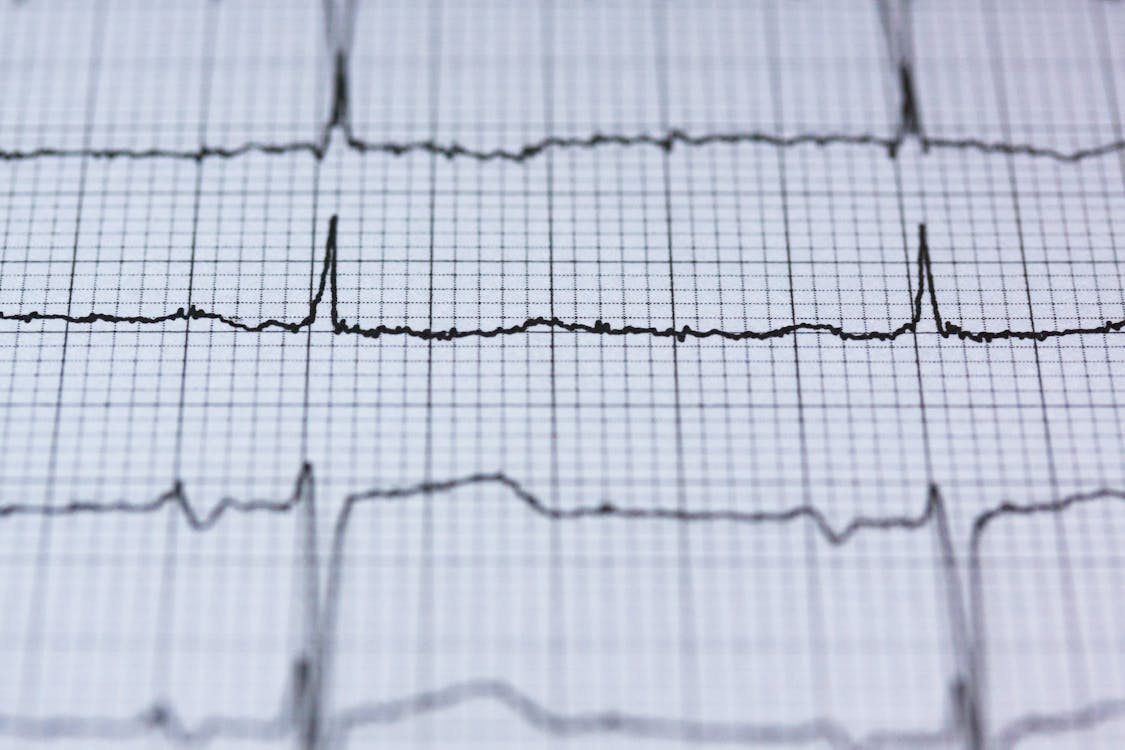
A polygraph does not read a person’s mind or “detect lies” on its own. Instead, it is a structured examination that measures physical responses such as breathing patterns, cardiovascular activity, and skin response.
This article explains the facts about polygraphs, including how they work, what they measure, what they are used for, and what affects accuracy.
What Polygraphs Do
Polygraphs help examine whether a person’s physiological responses change when they answer specific, carefully prepared questions. These facts about polygraphs can help you understand the value of these tests.
How This Happens
When a person is asked a targeted question, the brain processes the significance of that question. If the question is psychologically meaningful, the body produces measurable physiological changes through the autonomic nervous system.
The polygraph instrument tracks these specific changes across different parameters simultaneously. Some of these parameters include:
- Respiratory Patterns: Dual pneumograph tubes placed around the chest and abdomen measure changes in breathing depth and cycle duration.
- Cardiovascular Activity: A continuous blood pressure cuff monitors micro-fluctuations in relative blood pressure, pulse rate, and arterial blood volume.
- Electrodermal Activity: Galvanic skin response sensors attached to the fingertips capture changes in sweat gland activity.
These facts about polygraphs make them more useful in detecting responses that we simply can’t see with our eyes alone.
Do Polygraphs Work?
Polygraphs can work well when the test is focused on a specific issue, the questions are clear, and the exam is conducted by a trained professional using validated methods.
When properly administered, they can provide useful clarity in situations where facts are disputed or difficult to verify.
What Polygraphs Are Used For
Polygraphs are used in situations where a serious question needs to be reduced to clear, testable issues. The test doesn’t replace evidence, legal advice, or personal judgment. However, when properly administered, it can bring structure to situations where people are dealing with conflicting accounts.
Some sectors where polygraph examinations are used include:
- Relationships and Infidelity Concerns: When trust has broken down in a relationship due to things like cheating, infidelity, polygraphs can establish the facts about whether something occurred or not.
- Legal and Defense Support: Attorneys often use polygraphs as part of their defense strategy. Pre-trial examinations can provide counsel with a clear understanding of a client’s position or be presented during negotiations to demonstrate a party’s willingness to cooperate transparently.
- Corporate and Asset Protection: Under some statutory frameworks, like EPPA, certain businesses can use polygraphs during internal investigations. This is typically restricted to instances involving economic loss or injury to the employer’s business.
- Government and High-Security Screening: Some government, law enforcement, intelligence, and national security roles use polygraphs as part of personnel security or vetting processes. The intelligence community, for example, recognizes polygraph exams within certain personnel security programs.
Other areas that use polygraphs to establish facts about whether something happened include family conflicts, sporting event integrity, sexual assault accusations, and convicted sex offenders.
What Affects Polygraph Accuracy
Polygraph accuracy depends on several factors that involve environmental controls, scientific methodology, the examiner, and the examinee. Here are the factors that affect the quality of results:
- The Examiner’s Training and Experience: A skilled examiner knows how to prepare the test, recognize irregular responses, explain the process clearly, and keep the exam focused on the issue being tested.
- The Wording of the Questions: Ambiguous, confusing, or highly emotional questions in a polygraph cannot establish facts about whether something happened. The questions must be direct and specific.
- Testing Method: The method should be structured so that the examiner can reliably compare relevant responses against baseline and comparison responses.
- The Equipment: For accuracy, the equipment must be properly calibrated to capture the micro-shifts in things like respiration and skin conductance.
- The Testing Environment: A neutral, private, and controlled setting is important if you want the polygraph to establish facts about events in a reliable manner.
Polygraphs can be useful when these factors are properly controlled.
Frequently Asked Questions
Can nervousness cause you to fail a polygraph?
No. Nervousness alone does not cause someone to fail a properly administered polygraph. A professional exam accounts for situational nerves by reviewing the issue, establishing baseline responses, and comparing patterns across clearly defined questions.
Can someone beat a polygraph test?
Attempts to beat a professional polygraph are detectable. I use specialized sensors, including motion-detection equipment, to help identify attempts to manipulate the exam. These attempts often create irregular patterns rather than successful results.
Do polygraphs work for broad character questions?
No. Polygraphs work best with direct, specific questions about a clearly defined issue. They are not designed to answer broad character questions like whether someone is a “good person” or “trustworthy overall.”
Do polygraphs detect lies directly?
Here are the facts about polygraphs. A polygraph records physiological responses while specific questions are being asked, and then the examiner evaluates the response patterns within the full testing structure.
What happens before the polygraph test starts?
Before the test, I review the issue, explain the process, and go over the questions with you. This helps make sure that the questions are understood, specific, fair, and clear enough before I record any physiological data.
Get Clear Answers From a Professional Polygraph Exam
Now that you know some facts about polygraphs, if you’re thinking about using a polygraph to get clarity in your relationship or work, The Polygraph Examiner is here to help. I use accurate, highly scientific testing methods in a private and confidential setting.
Therefore, if clear answers are what you need to determine the best course of action for your situation, call for a free consultation.
 The Polygraph Examiner provides professional polygraph and lie detection tests for infidelity, cheating, or relationship struggles, as well as business theft, criminal cases, pre-employment, sexual assault accusations, sex offender cases, and sports integrity. Call our offices today for a FREE phone consultation at 800-497-9305.